

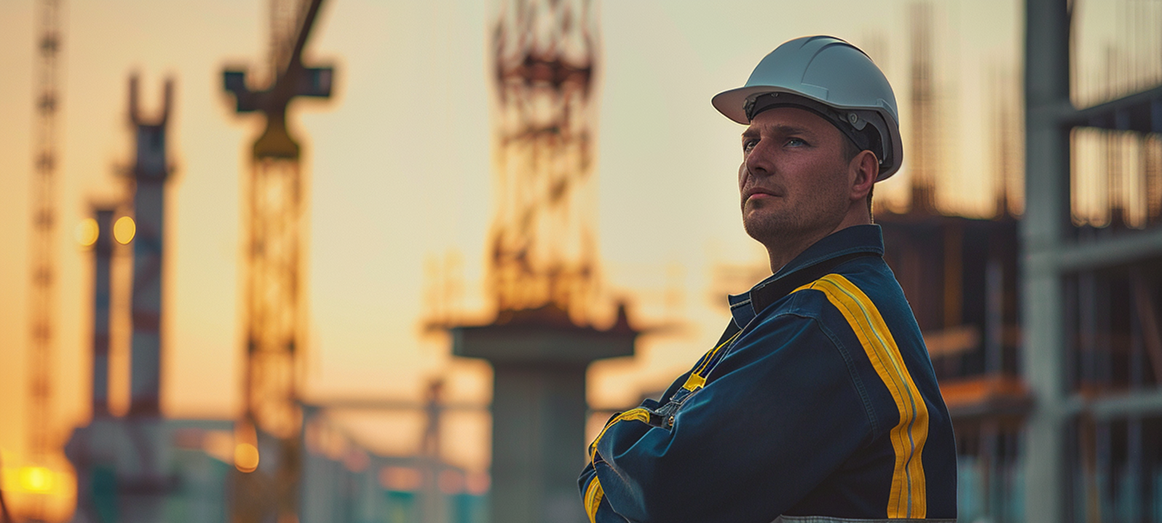
Construction sites are highly vulnerable environments that face a wide range of security challenges throughout every phase of a project. With valuable materials, heavy machinery, and constant movement of workers and contractors, these sites become easy targets for theft, vandalism, and unauthorized access. Without proper security measures in place, construction companies can suffer major financial losses, project delays, and safety risks. Professional security guards play a critical role in identifying, preventing, and responding to these challenges effectively.
One of the most common security challenges faced by construction sites is theft of materials and equipment. Items such as copper wiring, tools, fuel, generators, and heavy machinery are often left unattended overnight or during weekends, making them attractive to criminals. Stolen equipment not only results in direct financial loss but also causes work stoppages and project delays. Security guards help prevent theft by conducting regular patrols, monitoring entry and exit points, verifying deliveries, and maintaining a visible presence that deters criminal activity.
Unauthorized access is another major concern on construction sites. Open perimeters, temporary fencing, and multiple access points make it easy for trespassers to enter the site. Unauthorized individuals may include thieves, curious civilians, or even disgruntled former workers
Their presence can lead to accidents, property damage, or legal liabilities for the construction company. Trained security guards control access by checking IDs, maintaining visitor logs, enforcing site entry rules, and ensuring that only authorized personnel are allowed inside the premises.
Understanding Crowd Dynamics & Risk Assessment
Construction sites also face the challenge of vandalism and intentional damage. Graffiti, destruction of equipment, and sabotage of materials can occur during off-hours, especially in remote or poorly lit locations. Such acts not only increase repair costs but also impact project timelines. Security guards act as the first line of defense against vandalism by conducting night patrols, monitoring surveillance systems, and responding immediately to suspicious activities before they escalate.
Worker safety and accident prevention is another critical security challenge. Construction environments are inherently hazardous, with heavy machinery, open excavations, and electrical installations. Unauthorized movement, careless behavior, or lack of supervision can result in serious injuries or fatalities. Security guards support safety efforts by enforcing site safety rules, restricting access to dangerous zones, monitoring compliance with safety protocols, and assisting during emergencies or accidents until medical help arrives.
Key risk factors to evaluate include:
- Expected crowd volume and peak times
- Entry and exit bottlenecks
- VIP presence or high-profile guests
- Alcohol consumption
- Weather conditions
- History of similar events
Another significant issue is conflict management and site discipline. Construction sites often involve multiple contractors, laborers, and suppliers, which can sometimes lead to disputes, miscommunication, or aggressive behavior. Uncontrolled conflicts can disrupt work and create unsafe conditions. Security guards are trained in conflict resolution and help maintain order by de-escalating situations, managing crowd control during peak hours, and ensuring a disciplined and professional work environment.
Communication, Technology & Command Control
Modern event security combines human expertise with technology.
Common tools include:
- Two-way radios and command centers
- CCTV monitoring
- Drone surveillance (where permitted)
- Real-time incident reporting
After-hours security remains one of the biggest challenges for construction projects. Most criminal activities occur at night, when the site is unoccupied and visibility is low. Without proper monitoring, sites are at high risk of break-ins and damage. Security guards provide round-the-clock protection through night patrols, CCTV monitoring, alarm response, and coordination with local authorities when necessary, ensuring continuous site security.

Great insight into the real security risks on construction sites. Having trained security guards clearly makes a big difference in preventing theft and vandalism.
Very informative post. It highlights why professional site security and regular patrols are essential for keeping projects on schedule.
Well explained and practical. The focus on access control and night-time monitoring is especially useful for large construction sites.