

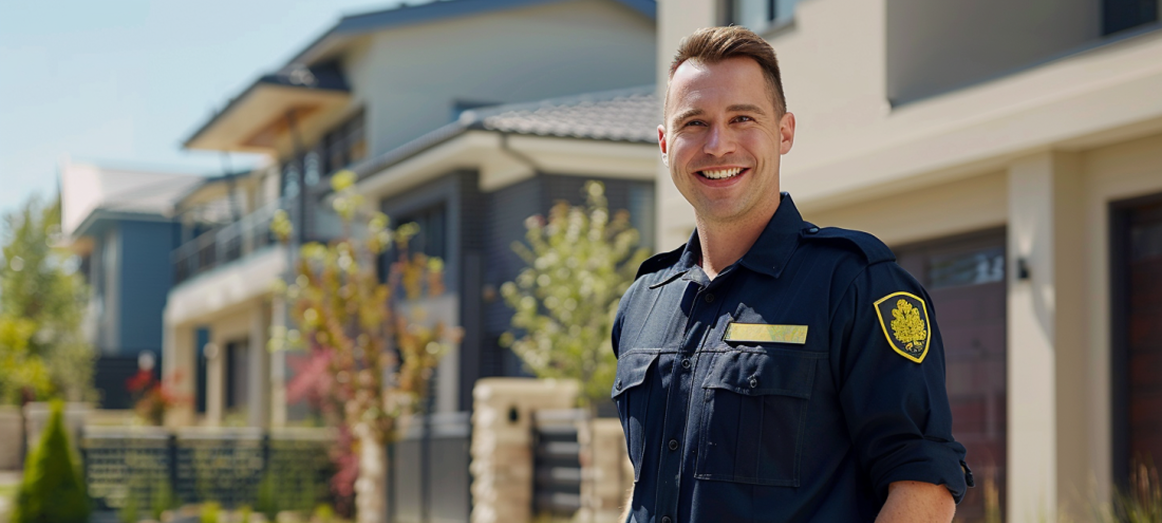
Residential security services play a crucial role in maintaining safety, order, and peace of mind within housing societies, apartment complexes, gated communities, and individual residential properties. As urban areas grow and communities become more populated, the need for professional security guards has increased significantly. These services are designed not only to prevent crime but also to create a secure and welcoming environment where residents can live without fear.
One of the primary responsibilities of residential security guards is access control. Guards monitor entry and exit points, verify visitors, manage delivery personnel, and ensure that only authorized individuals enter the premises. This controlled access helps reduce risks such as theft, trespassing, and unauthorized activities. In gated communities and apartment buildings, security guards often maintain visitor logs and coordinate with residents before allowing entry, strengthening overall security.
Patrolling and surveillance are also essential components of residential security services. Security guards conduct regular foot or vehicle patrols to monitor common areas, parking lots, hallways, and perimeters. Their visible presence acts as a strong deterrent to criminal activity. Guards are trained to identify suspicious behavior, potential hazards, and security breaches early, allowing for quick intervention before issues escalate.
Another critical aspect of residential security is emergency response. Security guards are often the first point of contact during emergencies such as fire incidents, medical situations, power failures, or security threats.
Understanding Crowd Dynamics & Risk Assessment
Residential security guards also contribute to community management and support. Beyond safety duties, they assist residents with directions, handle minor disputes, manage parking issues, and report maintenance concerns. This human interaction builds trust between residents and security personnel, creating a sense of community and shared responsibility for safety.
With advancements in technology, modern residential security services often integrate CCTV monitoring, alarm systems, and access control technologies. Security guards monitor surveillance systems in real time, respond to alerts, and ensure that all security equipment is functioning properly. This combination of trained personnel and technology provides a layered security approach that significantly enhances protection.
Key risk factors to evaluate include:
- Expected crowd volume and peak times
- Entry and exit bottlenecks
- VIP presence or high-profile guests
- Alcohol consumption
- Weather conditions
- History of similar events
Identifying risks early allows security teams to prevent incidents rather than react to them.
Communication, Technology & Command Control
In conclusion, residential security services are essential for safeguarding homes and communities. By providing access control, regular patrolling, emergency response, and resident support, professional security guards help create secure, well-managed living environments. Their presence not only protects property and lives but also offers residents peace of mind, knowing their community is actively monitored and cared for around the clock.
Common tools include:
- Two-way radios and command centers
- CCTV monitoring
- Drone surveillance (where permitted)
- Real-time incident reporting
Clear communication between guards, supervisors, and event organizers ensures fast decision-making and coordinated responses.

Great insight into how residential security services help create safer communities. Clear, practical, and very reassuring to read.
This blog highlights the importance of trained security guards perfectly. A must-read for anyone managing a housing community.
Well-written article explaining how professional security improves peace of mind for residents. Very informative and engaging.