

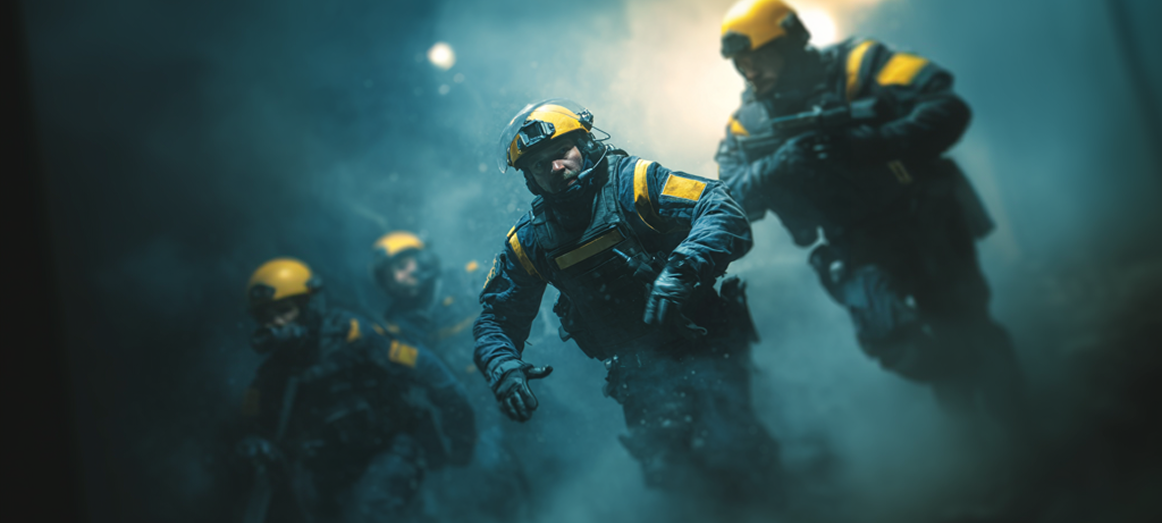
Emergency situations can arise at any time, and a security team’s ability to respond quickly and effectively can make the difference between control and chaos. From fire outbreaks and medical emergencies to intrusions and natural disasters, security guards are often the first line of defense. Having well-defined emergency response protocols ensures that every guard knows exactly what actions to take, whom to contact, and how to protect lives and property while maintaining order.
One of the most critical protocols every security team should follow is early threat identification and assessment. Security personnel must remain vigilant at all times, monitoring CCTV systems, access points, and suspicious behavior. Recognizing early warning signs—such as unauthorized access, unusual movements, unattended objects, or distressed individuals—allows guards to act before a situation escalates. Immediate assessment helps determine whether the issue is minor, requires backup, or demands full emergency activation.
Clear communication procedures are essential during emergencies. Security teams should be trained to communicate calmly and accurately with supervisors, emergency responders, and the public. Using radios, panic buttons, or internal communication systems ensures that critical information such as location, type of emergency, and potential risks is shared without delay. Guards must also know how to issue clear instructions to occupants, helping prevent panic and confusion.
Evacuation and crowd management procedures must be well-practiced. Security teams should be familiar with evacuation plans, emergency exits, assembly points, and special assistance requirements for elderly, disabled, or injured individuals.
Understanding Crowd Dynamics & Risk Assessment
Another key protocol is access control and area containment. During emergencies, controlling entry and exit points becomes crucial. Security guards should restrict unauthorized access, guide people toward safe evacuation routes, and secure sensitive or dangerous areas. In cases such as fires or security breaches, proper containment helps emergency responders operate efficiently and prevents further harm.
Evacuation and crowd management procedures must be well-practiced. Security teams should be familiar with evacuation plans, emergency exits, assembly points, and special assistance requirements for elderly, disabled, or injured individuals. Guards play a vital role in directing crowds calmly, preventing stampedes, and ensuring everyone reaches a safe location. Regular drills help reinforce these protocols and improve response time.
Key risk factors to evaluate include:
- Expected crowd volume and peak times
- Entry and exit bottlenecks
- VIP presence or high-profile guests
- Alcohol consumption
- Weather conditions
- History of similar events
In situations involving injuries or health crises, basic first aid and medical response protocols are essential. Security guards should be trained in CPR, first aid, and the use of automated external defibrillators (AEDs). Providing immediate assistance until medical professionals arrive can save lives. Proper documentation of the incident is also important for legal and operational follow-up.
Communication, Technology & Command Control
Coordination with emergency services is another fundamental protocol. Security teams must know how to work alongside police, fire departments, and medical responders. This includes guiding them to the incident location, sharing surveillance footage or access details, and following command instructions. Effective coordination ensures faster resolution and reduces operational confusion.
Common tools include:
- Two-way radios and command centers
- CCTV monitoring
- Drone surveillance (where permitted)
- Real-time incident reporting
Finally, post-incident reporting and review is a protocol that should never be overlooked. After an emergency, security guards must complete detailed incident reports outlining actions taken, timelines, and observations. Reviewing these reports helps identify strengths, gaps, and areas for improvement. Continuous training based on real incidents strengthens future emergency preparedness.

Very informative post. Clear emergency response protocols like these are essential for keeping both staff and the public safe. Well explained and practical.
Great read. This article highlights exactly why proper training and quick decision-making are so important for any professional security team.
Excellent breakdown of emergency response procedures. Easy to understand and highly relevant for anyone working in the security industry.
Strong and insightful article. Following structured emergency protocols truly makes a difference in high-pressure situations.